
#54 The Question I Keep Coming Back To 🦘
A reflection on risk and entrepreneurship, plus AI strategy, fundraising events, and this week’s sharpest reads for founders.

At the Amela Frequency 📡, every Monday, we reflect on tech news, share thoughts from our network ✍️, and hand you tools and frameworks for early-stage builders ⚒️. If you’re building (or dreaming about it), you’re in the right place.
Hi Amelxs👋
This week I had a call with someone from my alma mater school who is considering entrepreneurship.
And yes, I know, here I am again talking about my MBA, but since INSEAD recently decided to recognize me as one of their watch out entrepreneurs in a feature:

I figured I tell this story on this week’s newsletter.
Firstly, I think the reason she reached out had less to do with business strategy and more to do with something deeper: permission.
Permission to try.
Permission to want more.
Permission to imagine a different kind of life.
At some point during the conversation, I found myself remembering a question someone asked us during a study trek:
“When was the last time you took a real risk?”
I remember how uncomfortable that question made me feel.
Specially because I couldn’t remember when I had last taken a risk!! What I could remember was actually when I had not.
I realized that many of my decisions were still deeply optimized around safety, validation, and trying to make the “correct” move.
And honestly, I keep coming back to that question.
Because over the years, through entrepreneurship and through building Amela, I’ve realized that risk is not always about dramatic decisions.
Sometimes risk looks like:
starting before feeling fully ready,
sharing your work publicly,
testing an idea that could fail,
wanting more than what is expected from you,
or allowing yourself to imagine a life that doesn’t fully fit the script you inherited.
One of the things we talked about during the call is that entrepreneurship does not have to start with quitting your job tomorrow.
In fact, for many people, it probably shouldn’t.
A lot of the women I’ve seen build meaningful companies started with side hustles, experiments, freelance work, small validation cycles, and slowly building the confidence, and financial stability, to take bigger bets over time.
I think sometimes the startup world over-romanticizes recklessness.
But most sustainable journeys I’ve witnessed are actually built through gradual courage.
And I also think network matters much more than people realize.
Not only because networks open doors, but because they shape what feels psychologically possible.
If everyone around you is optimizing for safety, stability, and predictability, it becomes harder to even imagine yourself building something different.
That’s part of why communities matter so much to me.
Not because entrepreneurship needs to become trendy.
Not because everyone should become a founder.
But because I think many talented people spend years postponing dreams that are actually worth testing.
Not due to lack of capability, but due to lack of environment.
So maybe the reflection I want to leave you with this week is the same question I keep returning to myself:
When was the last time you took a real risk?
With that reflection, let’s move into this week’s newsletter 💌
hugs,
🧠✨ Validate Your Idea: Stop Building the Wrong Thing
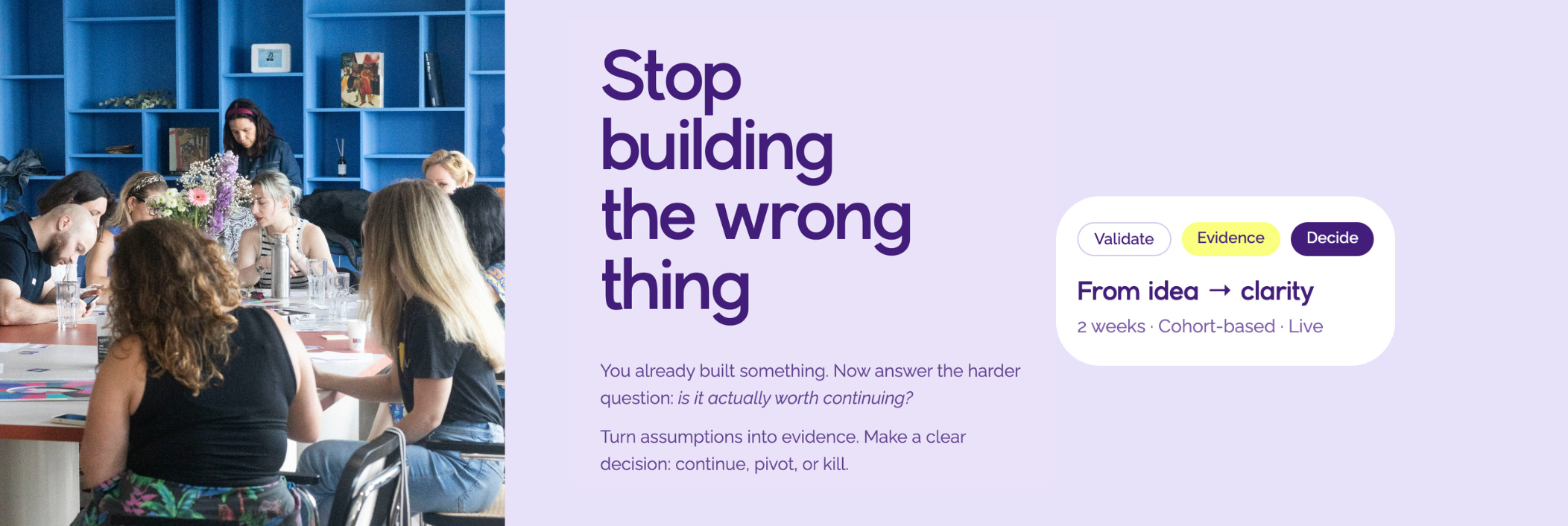
Most founders don’t have a building problem: they have a clarity problem!
This live cohort helps aspiring founders validate ideas faster, sharpen decision-making, and avoid wasting months building something nobody actually wants. Through mental models, customer conversations, and structured feedback, you’ll leave with clearer direction and stronger conviction.
Amela insider 💜
💜 Wins across our network:
📱 Maritza Bonano just launched the mobile app for her startup: Change Path, big milestone after months of building. 🔥
💸 Linda Du and the Moola team are launching Moola Pro, a new subscription focused on holistic personal financial planning—with early access now open to the community.
Upcoming Events
💸 The Fundraising Stack: From Pitch to Payment by Amela & Qonto
Raising capital takes more than a strong pitch. Join Amela and Qonto in Berlin for a practical conversation on what actually makes startups investable, from resilient teams and smart dilution strategy to building the right financial foundations early.
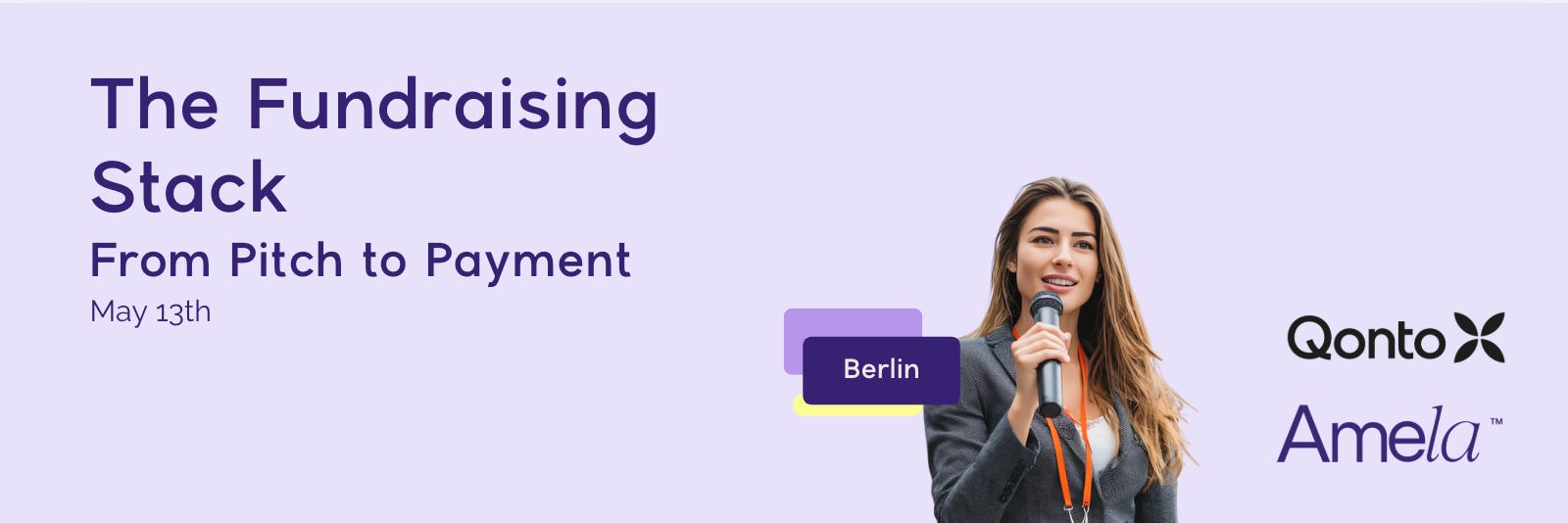
📅 May 13 · 11:00 CDMX / 18:00 Berlin · In person (Berlin) → Register here
🧠 Webinar: Standing Out in a Sea of AI Sameness
A tactical session on how to differentiate beyond “we use AI”—focusing on positioning, messaging, and owning a category before touching visuals.
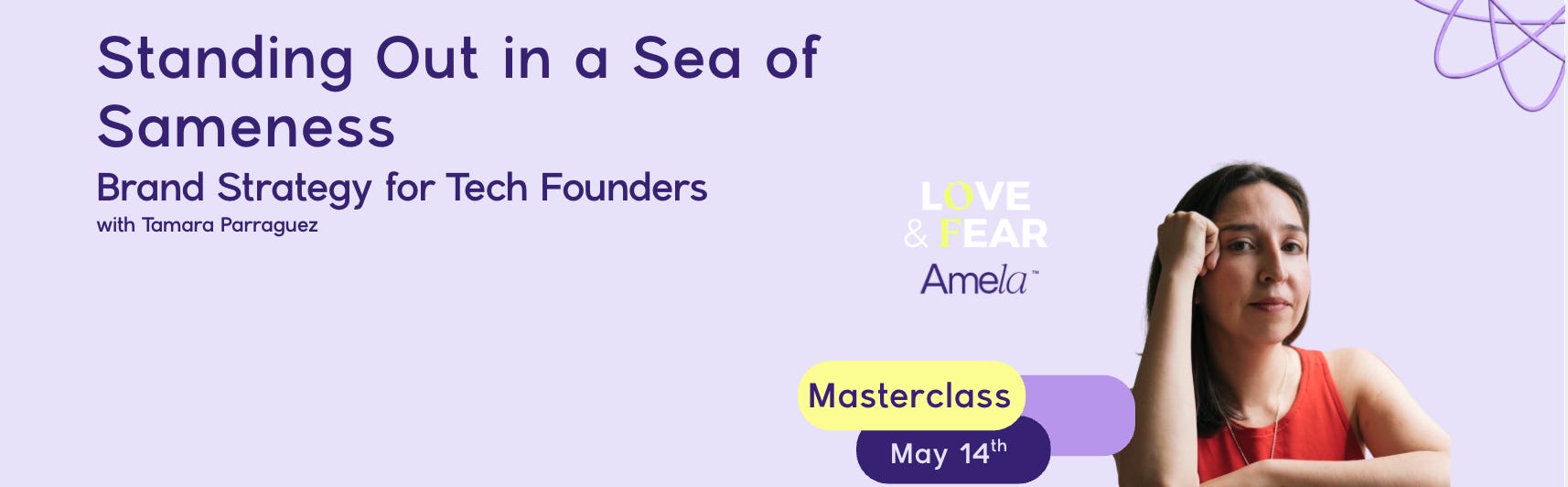
📅 May 14 🇲🇽 10:00–11:00 (CDMX) 🇩🇪 18:00–19:00 (Berlin) Register here
⚖️ Structure First: The Conversations Founders & Investors Avoid
Most founders only think about structure when something breaks. This session unpacks what actually matters early, from cap tables to jurisdiction, before mistakes become expensive.
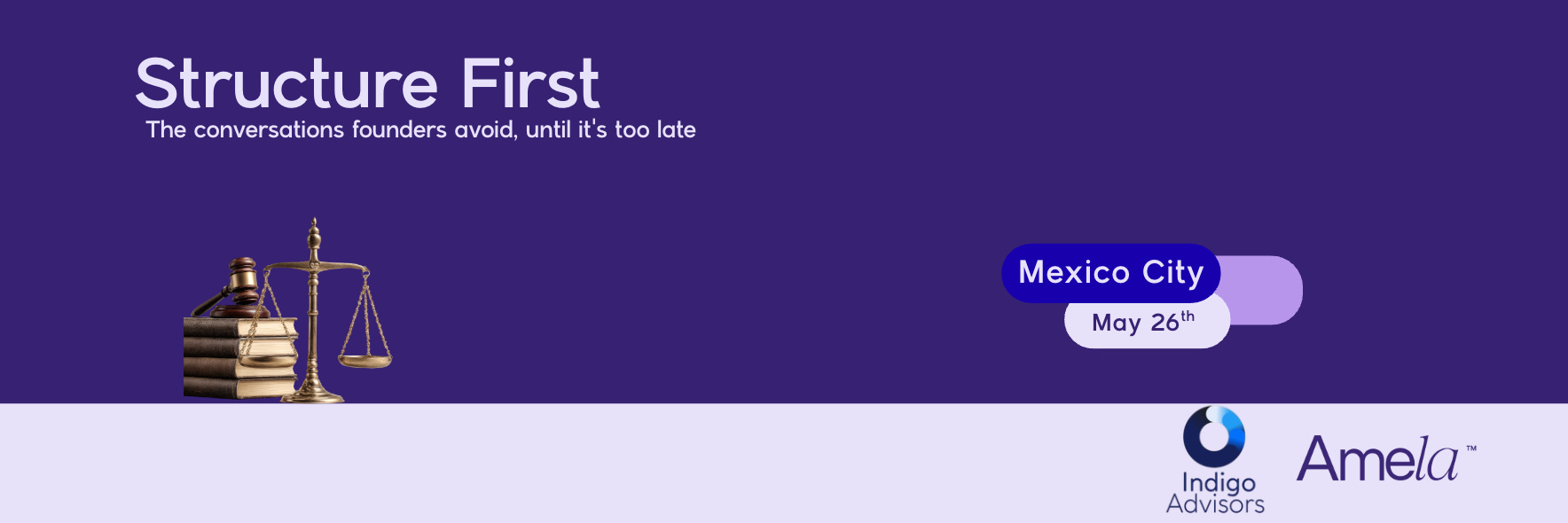
📅 May 26 · 18:00–21:00 CDMX · In person (Mexico City) → Register here
💡Recommendations
Articles, videos, and other resources to learn
✍️ Women Are Sleeping on AI, and It’s Costing Them
Sophia Amoruso argues that AI is creating a new leverage layer for builders, and that many women risk being underrepresented in the next wave of company creation if they don’t engage with it early. Read more
🎧 “Just Ask” Is the #1 Career Skill
Former Match Group CEO Mandy Ginsberg breaks down why asking, for raises, opportunities, ownership, and support—may be one of the highest-leverage skills in a career, especially for women navigating leadership and power.
Listen now
✍️ Your Company Isn’t Ready for AI Yet (Spanish)
A practical reminder that adopting AI is not just about tools, it’s about processes, incentives, and organizational readiness. Most companies are still far earlier in the transition than they think. Read more
✍️ Best Served Cold
A reflection on timing, restraint, and why reacting too quickly can become a strategic disadvantage. In startups and leadership alike, not every move needs to happen immediately. Read more
🧠 The AI Fluency Index
A new benchmarking tool designed to help founders evaluate how “AI-native” their organizations actually are—from workflows to team adoption, and identify where they’re falling behind. Read more
If you like it share it with the world 📡